
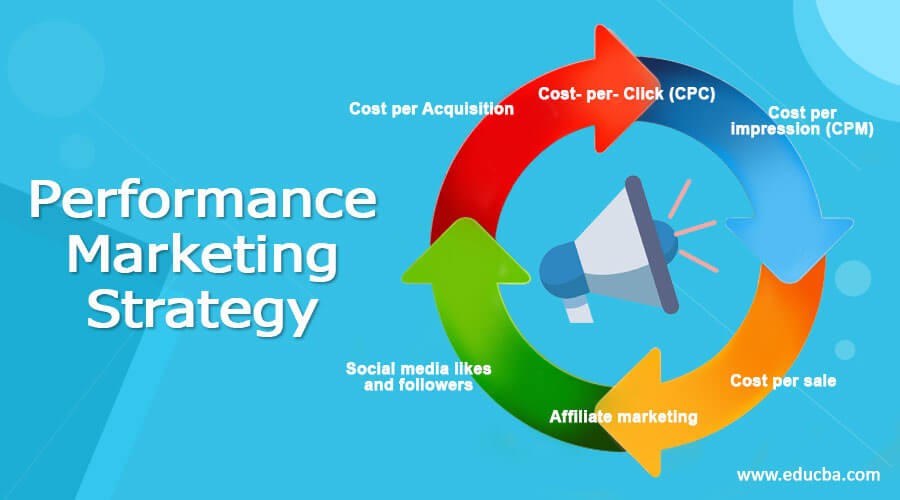
Performance Marketing Guidelines
Performance marketing has become the gold standard for ROI-driven digital strategies. Unlike traditional advertising, where you pay upfront regardless of results, performance marketing ensures you’re only charged for measurable actions—like clicks, leads, or sales. In this blog post, we’ll break down the most essential performance marketing guidelines to help you optimize your campaigns, boost conversions, and scale profitably.
Whether you’re a brand, agency, or solo marketer, these insights will help you stay competitive in the fast-paced digital landscape of 2025.
However, to put an end to that worry, AI Store Fortune has come up with a great solution. Stay tuned; I will show you the right direction. (No design work, no product creation, just a smart way to profit with AI) on how AI can become our right source of income. In short, understand AI Fortune Store – AI Fortune Store is a business package that will give you a ready-made online store. Please check my AI fortune store review.
 What Is Performance Marketing?
Performance marketing is a data-driven approach to digital advertising where businesses only pay when a specific action is completed. Common performance metrics include:
-
- Clicks (CPC)
-
- Impressions (CPM)
-
- Leads (CPL)
-
- Sales (CPA)
-
- Installs (CPI)
This model is commonly used across channels like:
-
- Affiliate marketing
-
- Social media ads (Meta, TikTok)
-
- Google Ads
-
- Influencer collaborations
-
- Native ads & programmatic buying
It’s built on transparency, trackability, and ROI.
 Core Elements of a Successful Performance Marketing Strategy
1. Clear Objectives and KPIs
Before launching any campaign, define clear goals and Key Performance Indicators (KPIs). Common KPIs include:
-
- Cost per acquisition (CPA)
-
- Return on ad spend (ROAS)
-
- Customer lifetime value (CLTV)
-
- Conversion rate
Establish your benchmark metrics to evaluate campaign success.
2. Audience Segmentation
Understanding your audience is the backbone of performance marketing. Use these tactics:
-
- Demographic targeting: age, gender, income
-
- Behavioral targeting: past purchases, site visits
-
- Psychographic targeting: interests, lifestyle, values
-
- Lookalike audiences: using first-party data
Tailoring creatives and offers to each segment improves performance dramatically.
3. Channel Selection
Different channels excel for different goals:
| Goal | Best Channels |
|---|---|
| Brand awareness | YouTube, Meta, TikTok |
| Lead generation | Google Search, LinkedIn Ads |
| Conversions | Facebook Ads, Native Ads |
| App installs | TikTok, Snapchat, Google UAC |
Use A/B testing to determine which platforms deliver your best ROI.
4. Creative Optimization
Ad creatives are responsible for over 70% of a campaign’s performance. Focus on:
-
- Attention-grabbing headlines
-
- Mobile-first video formats
-
- User-generated content (UGC)
-
- Clear call-to-action (CTA)
Regularly test different versions to see what resonates most with your audience.
5. Landing Page Experience
Your ad can drive the click, but your landing page must drive the conversion. Ensure:
-
- Fast loading speed (under 3 seconds)
-
- Mobile responsiveness
-
- Clear value proposition
-
- Trust elements (reviews, guarantees)
-
- Minimal distractions
Use tools like Hotjar or Crazy Egg to analyze behavior and optimize accordingly.
 Best Practices for Performance Marketing in 2025
 Leverage First-Party Data
With third-party cookies being phased out, first-party data is more valuable than ever. Collect it through:
-
- Newsletter opt-ins
-
- Loyalty programs
-
- Quizzes and surveys
-
- Customer accounts
Use this data for retargeting, personalization, and building lookalike audiences.
Focus on Attribution Modeling
Understanding the buyer journey is key. Choose an attribution model that aligns with your goals:
-
- Last-click: Credits final interaction
-
- First-click: Credits entry point
-
- Linear: Evenly distributes credit
-
- Data-driven: Uses AI to assign value
Multi-touch attribution tools like Google Analytics 4 (GA4) or Triple Whale can give you the full picture.
Implement Real-Time Tracking
Use UTM parameters and real-time analytics to track your campaigns. Key tools include:
-
- Google Tag Manager
-
- Meta Pixel
-
- TikTok Pixel
-
- Google Analytics 4
-
- Postback URLs for affiliate networks
Timely data helps you scale what’s working and cut what’s not—fast.
Test and Scale Methodically
Use a “Test, Learn, Optimize, Scale” approach:
-
- Test multiple creatives, audiences, and CTAs
-
- Learn what works from the data
-
- Optimize based on performance insights
-
- Scale winning combinations to broader audiences
Avoid scaling too early—let your test budget collect statistically significant data first.
 Performance Marketing Metrics You Must Track
Here are essential metrics for performance marketers:
| Metric | Definition | Why It Matters |
|---|---|---|
| CPA (Cost per Acquisition) | Total cost ÷ number of conversions | Measures profitability |
| CTR (Click-Through Rate) | Clicks ÷ Impressions | Gauges ad relevance |
| ROAS (Return on Ad Spend) | Revenue ÷ Ad Spend | Shows ad profitability |
| CVR (Conversion Rate) | Conversions ÷ Clicks | Measures funnel effectiveness |
| LTV (Lifetime Value) | Avg. value of a customer over time | Helps justify CAC (Customer Acquisition Cost) |
| Bounce Rate | % of visitors leaving instantly | Indicates landing page issues |
Tracking these KPIs in real-time ensures performance alignment with business goals.
 Common Mistakes to Avoid in Performance Marketing
-
- Over-optimizing for low CPA – Cheap conversions don’t always mean quality leads or purchases.
-
- Ignoring audience fatigue – Rotate creatives regularly to prevent ad blindness.
-
- Lack of funnel strategy – One-size-fits-all messaging won’t convert cold audiences.
-
- Neglecting post-click experience – A bad landing page kills even the best ads.
-
- Not retargeting – 95% of users don’t convert on the first visit.
Proactively audit your funnel stages to find bottlenecks.
 Advanced Tips for Scaling Performance Campaigns
 Use Dynamic Creatives
Platforms like Meta and Google support Dynamic Creative Optimization (DCO), automatically testing combinations of headlines, descriptions, images, and CTAs.
Automate Bidding with AI
Use algorithmic bidding strategies like:
-
- tROAS (target ROAS) on Google
-
- Advantage+ Shopping Campaigns on Meta
-
- Smart Campaigns on TikTok
Let machine learning do the heavy lifting—just monitor for anomalies.
Integrate CRM and Ad Platforms
Connect tools like HubSpot, Salesforce, or Klaviyo with your ad platforms for deeper segmentation, retargeting, and personalization.
Expand via Affiliate Networks
Performance-based affiliate programs (like Impact, CJ, or ShareASale) can drive high-quality traffic with low upfront costs.
 Top Tools for Performance Marketers (2025)
| Tool | Use Case |
|---|---|
| Google Analytics 4 | Cross-channel attribution |
| Meta Ads Manager | Facebook & Instagram ads |
| Triple Whale | E-commerce attribution |
| Klaviyo | Email + SMS automation |
| Unbounce | Landing page builder |
| Hotjar | Heatmaps + session recordings |
| Semrush | Competitor research + SEO |
| Voluum | Affiliate tracking |
| TikTok Ads Manager | Short-form video ads |
These tools help performance marketers streamline campaign management and improve results.
 Conclusion: Mastering Performance Marketing in 2025
Performance marketing isn’t just about running ads—it’s about building a scalable, measurable, and profitable growth engine. When done right, it delivers consistent results without wasting budget on untrackable awareness plays.
By following these performance marketing guidelines, you can:
-
- Improve campaign efficiency
-
- Optimize ad spend
-
- Drive high-quality leads and sales
-
- Build a data-driven growth ecosystem
Stay curious, test often, and always put performance first.
 FAQs: Performance Marketing Guidelines
Q: What is the main difference between digital marketing and performance marketing?
A: Digital marketing includes all online marketing activities, while performance marketing is specifically ROI-focused—only paying for measurable results like clicks or sales.
Q: How much budget is needed to start with performance marketing?
A: You can start with as little as $500/month, but for meaningful results and data, a $1,000–$5,000 test budget is ideal.
Q: Which is the best platform for performance marketing in 2025?
A: It depends on your audience, but Meta Ads, Google Ads, and TikTok Ads are top contenders due to their reach and advanced targeting.
Hi, this is a comment.
To get started with moderating, editing, and deleting comments, please visit the Comments screen in the dashboard.
Commenter avatars come from Gravatar.